Create Your First React App

What is ReactJs
React is a JavaScript library for building user interfaces (UIs) on the web. React is a declarative, component based library that allows developers to build reusable UI components and It follows the Virtual DOM (Document Object Model) approach, which optimizes rendering performance by minimizing DOM updates. React is fast and works well with other tools and libraries.

Prerequisite of React
For learning React first you have a clear understanding of HTML, CSS and JavaScript. As React is a JavaScript library and uses most of its concept so you really have to understands the major concepts of it.
JavaScript and ES6 (must)*
Follow Step to Create React App
First Create a Folder with named anything. Open that Folder using VS Code. In vs code open terminal and write these command to create a React Application first. Here we are going to create react application using vite. Because of it is light weight and Vite offers several advantages over CRA, including faster development server startup, reduced waiting times for file updates, and improved build performance.
npm create vite@latest my-app-name
Now run your website to check weather it running properly or not using this command.
npm run dev
After Successfully Running, It look’s like This.
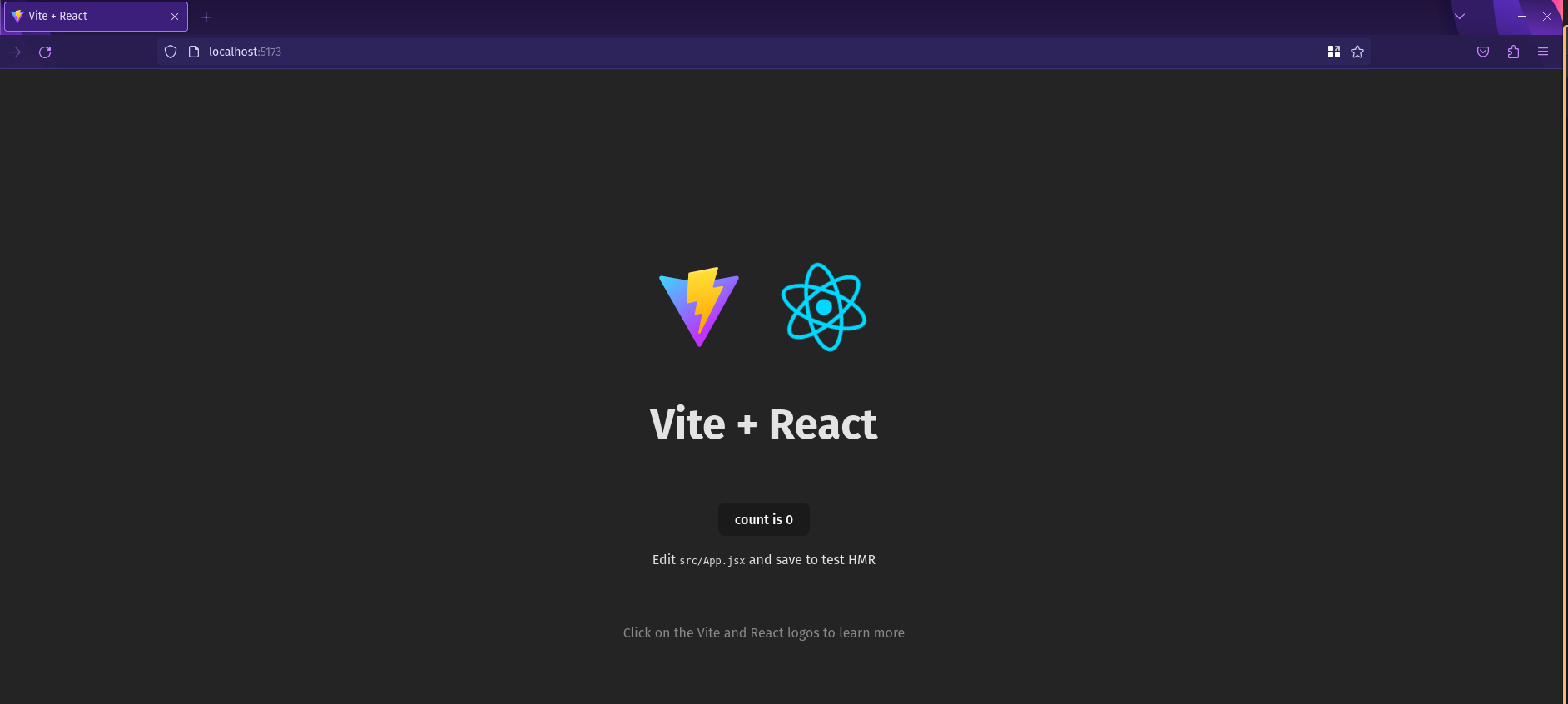
Congrates 🎉🎉, You just Create Your First React Application. 😊
About the author
I'm a passionate frontend developer with a knack for crafting immersive user experiences. Over the years, I've honed my skills in ReactJS, MongoDB, Redux, React-Toolkit, and SQL, leveraging these tools to deliver robust and dynamic web applications. I am passionate about explore and learning new things and willing to work beyond my capacity to administer projects. 💼 Currently, Diving deep into MEAN stack
Comments
Join the discussionnice explanation